
When Microsoft services down reports started flooding social feeds around midday Eastern time on Thursday, November 12, 2026, plenty of people assumed it was a brief glitch. It was not. Outlook stopped sending mail, Teams meetings refused to connect, SharePoint files would not open and Copilot went quiet across dozens of countries, and the trouble rolled into a second workday. This guide covers what broke, when it started, what Microsoft says caused it, how recovery unfolded and what the bill may look like, followed by practical steps so the next Microsoft 365 outage hurts less.
Microsoft Services Down: Which Services Were Affected
The Microsoft outage was not limited to email, even though Outlook down was the phrase that trended first. Microsoft’s own service health listings named Exchange Online, Microsoft Teams, SharePoint Online, Microsoft Copilot 365 and Microsoft Defender XDR as affected, according to Tom’s Guide live coverage. Outage tracker Downdetector showed Outlook reports peaking at roughly 130,000, and the disruption touched at least 74 countries.
Outlook and Exchange Online took the first hit
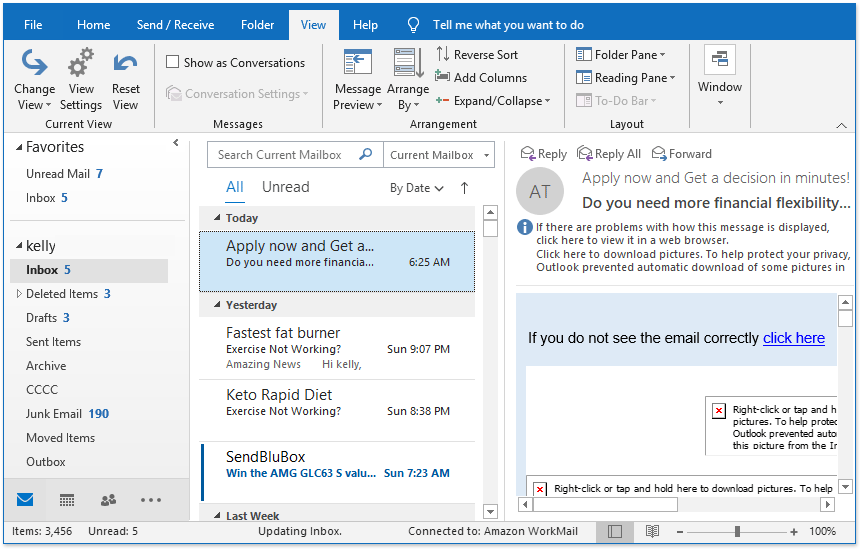
Exchange Online stores the mailboxes, calendars and contacts that many other Microsoft 365 tools read from, so when it stumbled, the damage spread quickly. Users could not send or receive messages, calendars would not load, and some people who did get mail saw long delivery delays. Reports at the time suggested that personal Microsoft accounts were largely spared while work and school accounts bore the brunt, as the Free Press Journal noted.
Teams, SharePoint, Copilot and Defender followed
Once mail faltered, the Teams outage followed: chats lagged, meetings failed to start and sign-ins timed out. SharePoint Online and Copilot became unreliable, and security teams saw Defender XDR affected too. The real-world fallout was broader than a few missed emails. Engadget reported problems for emergency service calls, courts, schools, the US House of Representatives and healthcare providers, while the UK’s National Pharmacy Association warned of possible delays to some prescriptions. In Japan, some companies reportedly fell back on fax machines for a while.
When Did Microsoft Services Go Down and How Long Did It Last
The Microsoft 365 outage on November 12, 2026 began around noon Eastern time on Thursday, according to CNN’s live reporting. Timestamps vary slightly by source because Microsoft tracked several incidents at once, including a separate Teams issue in the Americas earlier that afternoon, but the main disruption was clearly underway by early afternoon in the US.
Microsoft’s first fixes did not work as hoped. Around 10 p.m. Eastern on Thursday the company said some attempts to improve serviceability had fallen short, and by 2:45 a.m. Friday it reported positive results from traffic optimization. Recovery then crept across regions through Friday morning, with North America improving first, Europe next and Asia Pacific after that. By late Friday, Microsoft said Outlook, Teams and Copilot were fully working again, a point the Chicago Crusader summarized from Reuters. In total, the outage stretched past 24 hours and across two workdays.
Why Microsoft Services Went Down: What Caused the Outage
Readers keep asking why Outlook and Teams went down, and the honest answer is that Microsoft has shared the mechanism before it has shared the full root cause. Its status updates described servers in Exchange Online unexpectedly failing automated health checks and dropping out of service. That pushed more load onto the servers still standing until they were overwhelmed as well. Later updates narrowed it to a process on each server that sets up secure connections, which became overloaded and stopped handling requests. SecurityWeek’s report captures that explanation well.
The trigger is the part still being pieced together. Overnight Microsoft began reverting a recent network configuration change whose timing matched the start of the outage, and its Friday explanation, as relayed by Windows Forum, pointed to a problem introduced during an earlier network capacity upgrade and exposed by a later network change. A full post-incident report, with root cause and repair items, is promised. Until it lands, treat any single-sentence cause with caution.
This also is not Microsoft’s first rough patch this year. A January 22, 2026 incident was traced to part of its North American infrastructure that stopped processing traffic correctly, as Pureinfotech documented. Two large events in one year is the kind of pattern IT leaders will raise in their next vendor review.
Was the outage a cyberattack?
No evidence points that way. Microsoft said it had seen no sign of malicious activity and described the event as a technical failure unrelated to AI agents. Engadget also reported that Microsoft saw no evidence of an attack. Many people search was the Microsoft outage a cyberattack during any big failure, and in this case the stated answer is no.
How Much Did the Microsoft Outage Cost?
Putting a number on the loss is difficult, but estimates give a sense of scale. Michigan-based Anderson Economic Group put lost productivity at close to $7 billion, as CNN reported. Its president said real losses may have hit as many as 26 million users on Thursday and 51 million on Friday, and that the figure will probably rise as refund claims arrive.
Other angles tell a different part of the story. One insurance expert quoted by SBS News estimated global insured losses between US300millionandUS500 million. Small firms felt it sharply: a Queensland business owner told ABC News Australia that the lost day would cost at least $30,000, and an RSM Australia adviser said the catch-up effort afterward often costs more than the downtime itself. Microsoft’s share price slipped roughly 2 to 3 percent in early Friday trading, though analysts quoted in coverage framed it as reputational damage more than a revenue hit.
So how much did the Microsoft outage cost? No single audited figure exists. The $7 billion productivity estimate is the most cited, and it is an estimate.
What Recovery Looked Like Behind the Scenes
Microsoft paused deployments, moved traffic away from affected infrastructure and restarted servers, then began rebuilding some of them on a previous software configuration. Some servers that returned to service became unresponsive again once traffic reached them, which explains why recovery came in waves rather than one clean switch. That is a classic pattern in large systems: a service can stay shaky even after the first cause is addressed, because the returning load itself causes new trouble.
For anyone who lived through it, the most useful signal came from Microsoft’s official 365 status account, since the admin center itself was hard to reach for some tenants.
How to Prepare for the Next Microsoft 365 Outage
Redundancy does not need to be elaborate. Teams that kept working through this event tended to have an out-of-band way to talk and a plan for mail. A few practical moves:
- Keep a non-Microsoft channel for incident communication, such as a messaging app or a phone tree.
- Document who can approve a switch to manual processes for time-sensitive work.
- Store critical contact lists and runbooks somewhere that does not depend on your tenant.
- Follow the vendor’s status feed rather than waiting for the admin center to load.
Copilot users had a smaller version of this problem. When Copilot stalled, teams with a second assistant such as ChatGPT, Claude or Google Gemini could keep drafting and summarizing. If you are comparing options, the Microsoft Copilot listing is a good starting point. Our earlier explainer on Microsoft Outlook down covers the mail side in more detail, and our look at ChatGPT ads shows how fast the AI tool landscape is shifting.
FAQ: Microsoft Services Down
When did Microsoft services go down?
The main disruption began around noon Eastern time on Thursday, November 12, 2026, and lasted past 24 hours.
Which Microsoft services were affected?
Outlook and Exchange Online, Teams, SharePoint Online, Copilot 365 and Defender XDR, across at least 74 countries.
What caused the Microsoft outage?
Servers failed health checks and a secure-connection process became overloaded. Microsoft linked the timing to a network configuration change, and a final root cause is pending its post-incident report.
How much money was lost?
Anderson Economic Group estimated nearly 7billioninlostproductivity.InsuredlossesmayreachUS300 million to US$500 million.
Is the outage over?
Microsoft said services were fully working again late Friday, November 13, though you should check its status feed for follow-up notes.
Final Thoughts on the Microsoft Services Down Event
This outage was a reminder that the tools we treat as utilities are still software running on servers, and servers fail. The practical lesson is not to abandon Microsoft 365 but to plan for the day it is unavailable. Review your own fallback plan this week, share this guide with your IT lead, and bookmark Techtoric for the post-incident report breakdown once Microsoft publishes it. Tell us in the comments how your team coped.